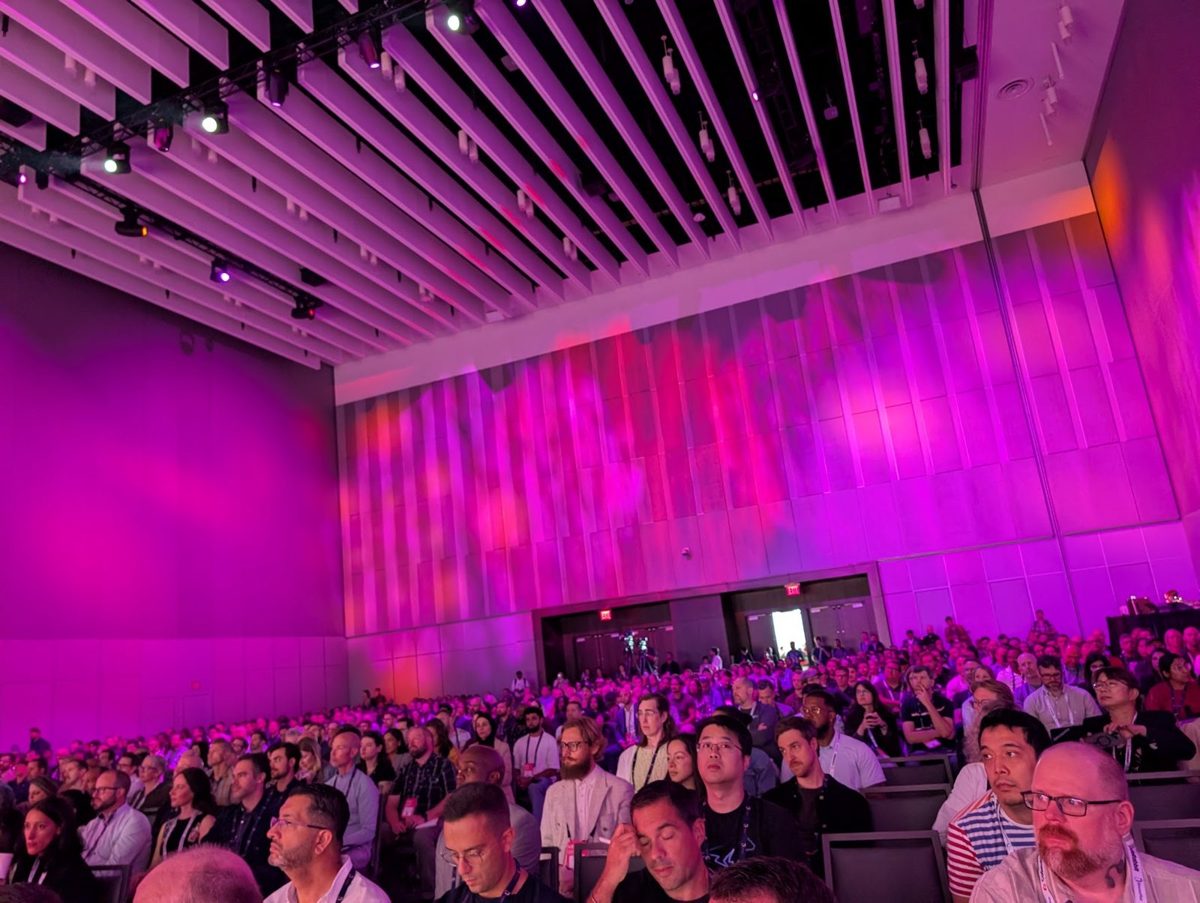
The audience at LDX3 New York

Speaking

Some teams do extraordinary work and others stay busy.

I help leaders make what matters clear, set teams up to move, and go deep where they can make a difference.

Highlights from "I thought my team knew what mattered," LDX3 / LeadDev New York 2026.

Talks

Make What Matters Unmistakable

The mission is just one part of what your teams need. They also need the Why-Now: what part of the mission matters now and why.

Key takeaways
  • Leaders consistently overestimate how well their team understands what matters. Saying it from the front of the room isn't enough.
  • Meaning doesn't require a big mission. Leaders who find what's real and make it visible can make build automation as urgent as a moonshot.
  • There is no version of doing this well where you receive a strategy from above and simply pass it on. Your team builds their picture of what matters from how you connect it: from their work to the user, to the teams around them, and what they watch you do.
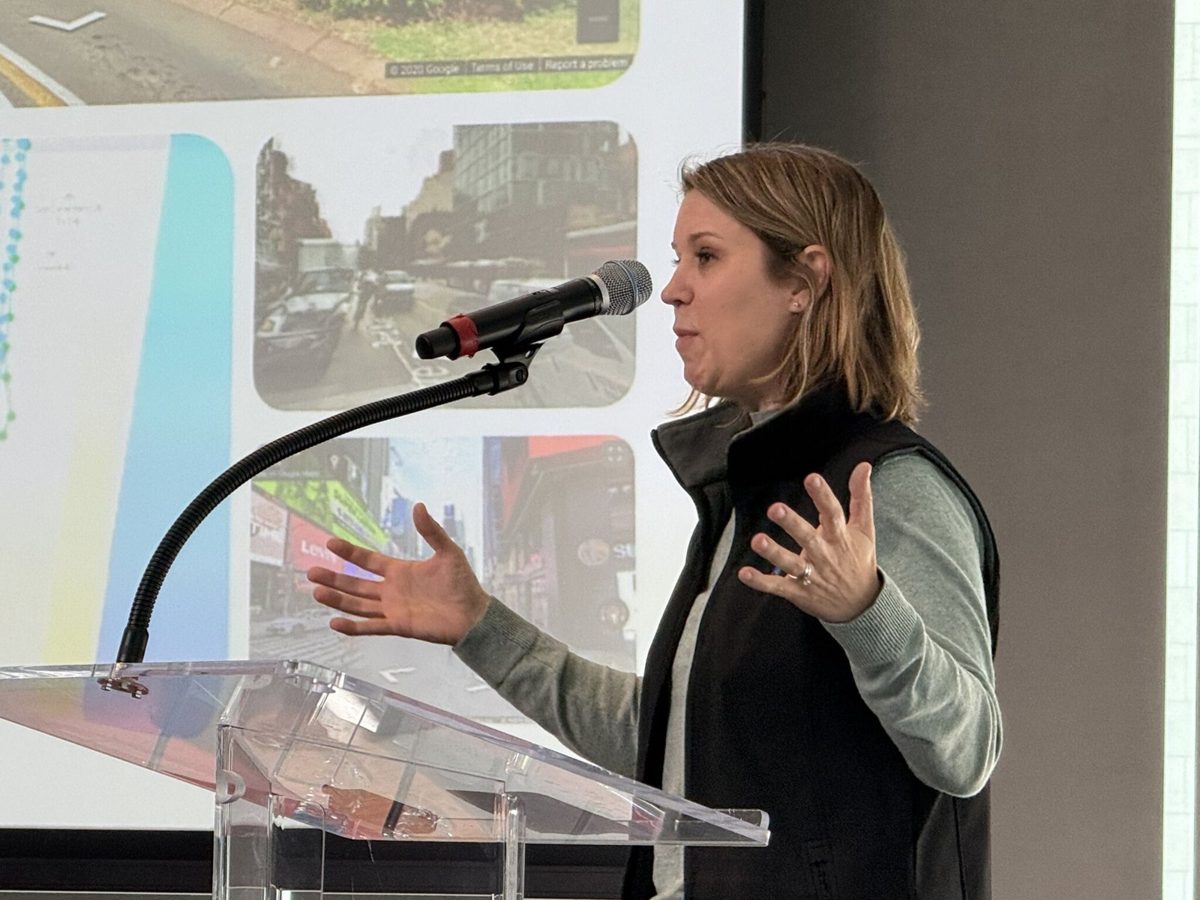
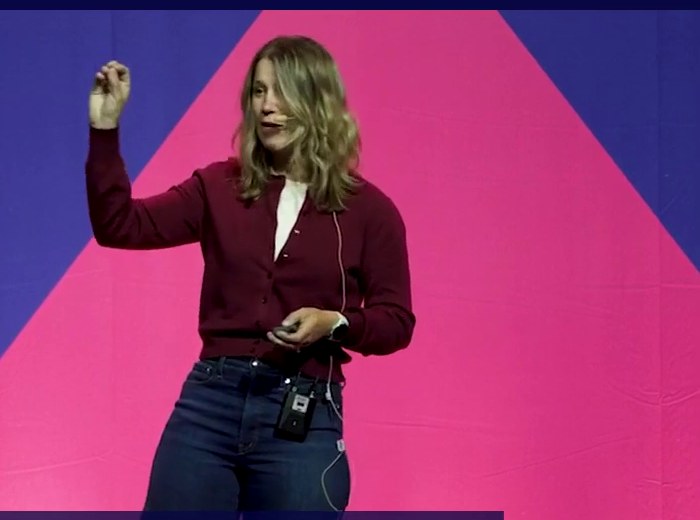
First delivered at LDX3 / LeadDev New York, 2026, as "I thought my team knew what mattered."

Building a System for Faster and Better Decisions

We tend to treat decision speed as a tradeoff with rigor: move fast or get it right. Research on teams in fast-moving industries found the opposite.

Key takeaways
  • Why speed and rigor go together. The fastest teams are more thorough, because they know which information and which tradeoffs deserve the depth.
  • How sparring builds judgment. Defending a point of view, getting pushed on the tradeoffs, and pushing back in return is how people learn to recognize the patterns behind good decisions.
  • Why visible reasoning makes the whole team sharper. When leaders show what they weighed, what they set aside, and what tipped the call, people learn how to work through similar decisions on their own.
  • Why real decisions help build the capability of your team. People need reps on calls with real consequences, and enough room to be wrong, before decisions move reliably when the leader isn't in the room.

Built on the same interviews for the book, Lead Deep (forthcoming Fast Company Press, 2027).

When Nothing Is Obviously Wrong: Why Talented Teams Drift

Your strongest team is doing a lot, the updates sound good, and everyone would tell you things are fine. This is when drift is hardest to see.

Key takeaways
  • Spot the three patterns while the team still looks fine: work that doesn't align (scattered), work that has slowed down due to things outside of your team's control (stuck), and work that keeps a team busy without moving the needle (busy).
  • Match the fix to the pattern. Scattered work needs to be pointed at what matters now. Stuck work needs someone to clear the way. Busy work needs a hard look at whether it should continue.
  • Treat workarounds and repeated heroics as signs of what the team is missing.

Based on 20+ years in engineering, 17 of those leading engineering teams at Google, and interviews with more than 30 leaders at companies including Google, Netflix, NVIDIA, Anthropic, and beyond.

Speaker bio

Melody Olson spent 17 years at Google in Ads and Maps, eventually as a Senior Engineering Director leading 200+ person teams working on Google's model of the physical world. She is the author of Lead Deep: How Leaders Change What Talented Teams Can Do (forthcoming from Fast Company Press, 2027), drawing on interviews with senior leaders at Google, Netflix, NVIDIA, Anthropic, Apple, Meta, and beyond.

Get in touch

Talks run 25 to 60 minutes, and each can expand into a workshop.

Send the event, date, location, audience, and format you have in mind.